The Revival of Slow Foraging in Alpine Valleys
How pioneering chefs in the Dolomites are trading imported luxuries for high-altitude lichens, stone pine buds, and wild sorrel.
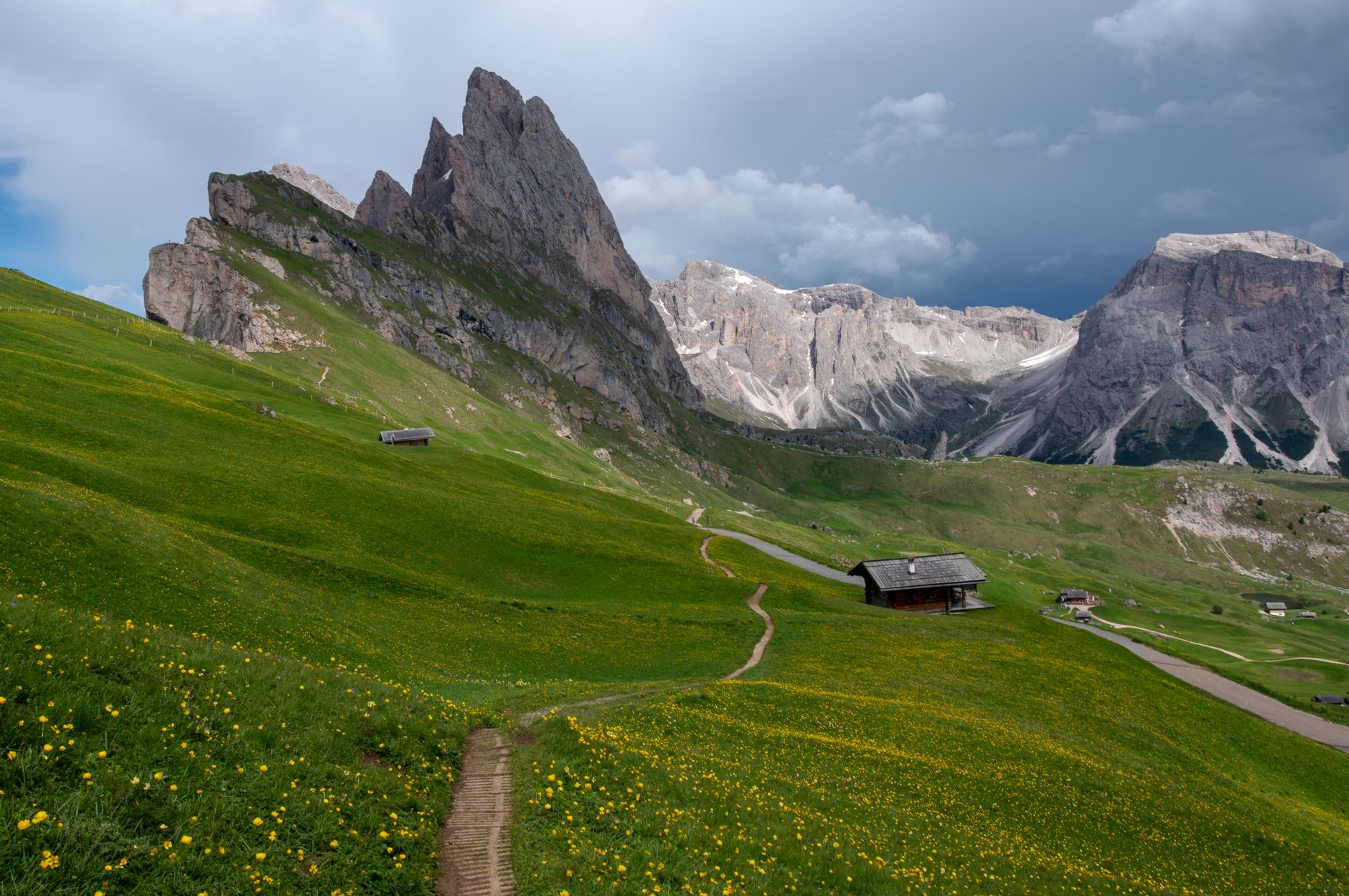
High above the tree line in the Val Badia, dawn arrives not with the clamor of delivery vans, but with the quiet rustle of wicker baskets against dew-soaked juniper shrubs. Here, Chef Matteo Erlacher walks the slopes of limestone talus collecting mountain yarrow, elderflower shoots, and bitter roots that have sustained mountain communities for nearly a millennium.
The Geometry of High-Altitude Flavor
In the culinary imagination, alpine dining was long synonymous with heavy creams, salted meats, and melted gruyères engineered to keep shepherds warm through subzero winters. While those traditions maintain historical dignity, an emerging movement is revealing the subtle botanical complexity of altitude.
Plants that thrive above two thousand meters endure rigorous UV radiation, stark temperature swings, and thin soils. As a defense mechanism, they produce concentrated aromatic compounds, polyphenols, and essential oils far more intense than their valley cousins. A single pinch of dried wild caraway from these screes possesses the punch of an entire commercial jar.
“When you cook exclusively with what grows within three leagues of the hearth, you are no longer dictating flavors—you are translating geology.”
Preservation and Ecological Responsibility
The danger of wild foraging, paradoxically, lies in its newfound prestige. As urban restaurants increasingly market foraged menus, fragile alpine meadows face the threat of over-harvesting. The practitioners chronicled by 111111 practice strict regenerative guidelines: harvesting never more than one-fifth of any single plant stand, rotating gathering zones across a three-year cycle, and replanting roots alongside their harvests.
The result is a culinary philosophy that transcends nourishment. It becomes an active act of conservancy, ensuring that both the mountain's wild biodiversity and the gastronomic heritage of the Dolomites remain vibrant for generations to come.