The Aesthetics of Solitude: Kyoto Temple Lodges
An architectural study in sensory deceleration inside centuries-old wooden sanctuaries along the philosophers' paths.
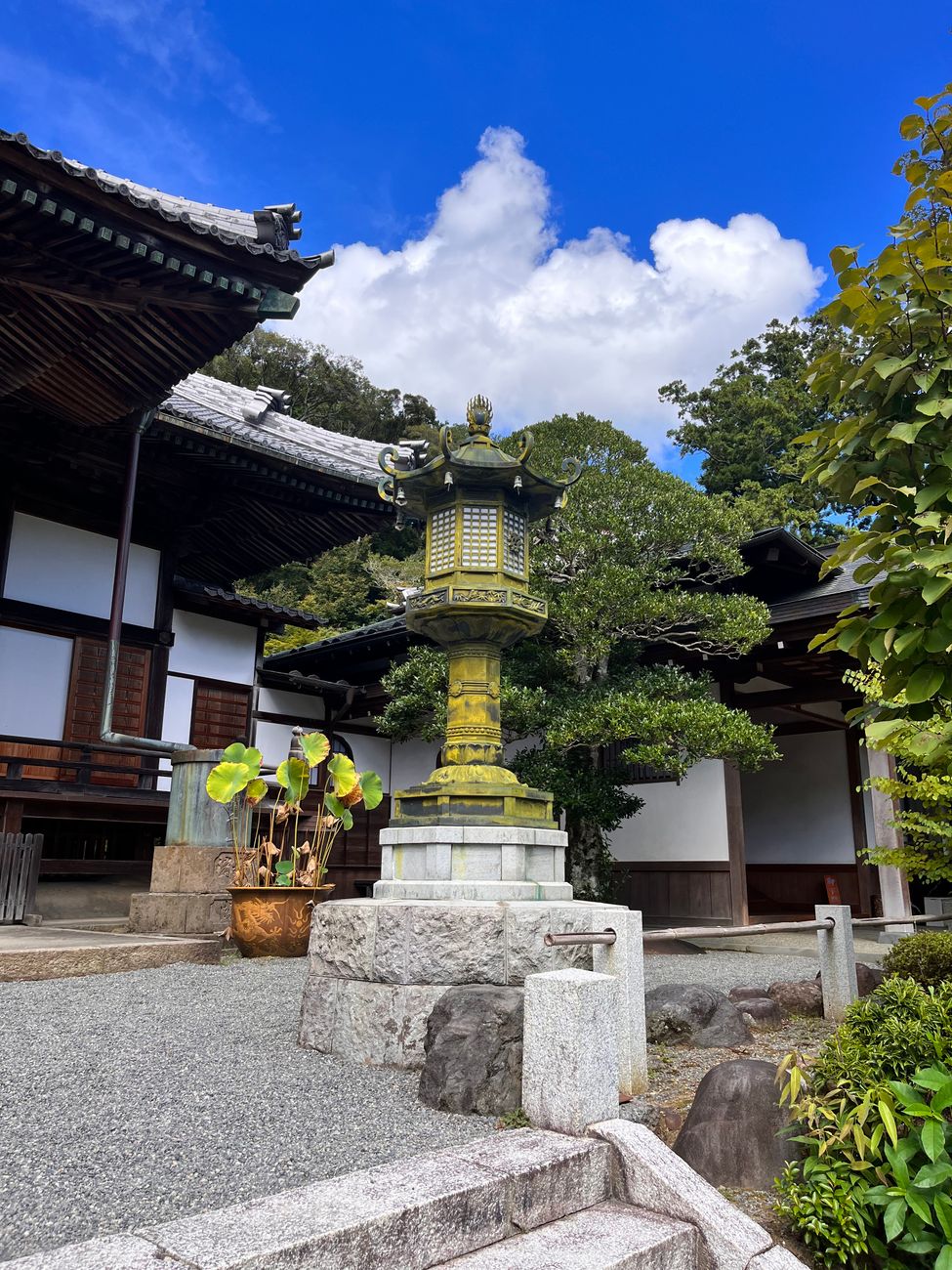
In the quiet western foothills of Kyoto, when the final tour buses depart and twilight softens into charcoal gray, the true atmosphere of ancient Japan awakens. At Myoshin-ji, travelers accepted into the temple's shukubo (temple lodgings) remove their leather shoes, feeling the tactile chill of raw cedar floorboards under woven cotton tabi.
The Architecture of Emptiness (Ma)
Unlike Western luxury resorts that emphasize sensory density—soft velvets, ambient soundscapes, curated fragrances—the Zen temple room relies on absolute subtraction. The tatami mats emit a gentle, dried-rush aroma; the shoji paper screens filter sunlight into a uniform, shadowless ivory glow; and the only ornament is often a single seasonal blossom resting in a bamboo vessel.
This deliberate void creates an immediate psychological resonance. Without ambient distractions, the mind’s internal chatter slowly dials down until the sound of water dripping from a stone basin into a courtyard bamboo pipe becomes the sole rhythm of your evening.
“In the Japanese aesthetic, emptiness is not the absence of content; it is the space where awareness makes itself known.”
Shojin Ryori: Devotional Sustenance
Dinner in a temple residence is not merely a meal; it is an exercise in mindfulness known as Shojin Ryori. Prepared without meat, fish, garlic, or onions, each dish balances five colors (white, black, yellow, red, green) and six flavors (bitter, sour, sweet, hot, salty, and delicate). Eating in total silence, one perceives the intricate nuance of hand-pressed sesame tofu, simmered burdock root, and tempura wild chrysanthemum leaves.
For the traveler exhausted by perpetual hyper-connectivity, seventy-two hours within a Kyoto temple sanctuary delivers an enduring recalibration that stays long after returning to bustling metropolitan terminals.